Category: Body Changes

Bloating, weight, hair, skin, joints and other physical changes.

  • Why Do My Joints Ache More in My 40s?

    Why Do My Joints Ache More in My 40s?

    Ask Autumn / Body Changes

    Why Do My Joints Ache More in My 40s?

    Written with Autumn — The Change’s on-device AI perimenopause coach.

    Woman sitting in a hallway pausing while putting on a shoe.

    The short answer

    Joint aches can occur during perimenopause, but joint pain is common and has many possible causes, including injury, overuse, arthritis and infection. The location, swelling, stiffness and effect on daily life matter more than the age on its own.

    What the ache is telling you

    You may notice stiffness when you first get up, a knee that complains on stairs, or hands that feel different after a long day. Those details are more useful than the broad label “hormonal.”

    How perimenopause may fit

    The NHS lists muscle aches and joint pains among possible symptoms. The NHS also says that perimenopause and menopause can cause aching and painful joints, while stressing that there are many other causes and that you should not self-diagnose.

    Notice the shape of the pain

    • Is it one joint or several?
    • Is there swelling, warmth or redness?
    • Is stiffness worst after rest, or after activity?
    • Does pain affect sleep, walking, work or grip?
    • Did it start after an injury or a change in exercise?

    What may help while you arrange advice

    Keep the joint gently moving within what feels safe, vary repetitive tasks and use rest when you need it. A pharmacist or clinician can advise on pain relief that is appropriate for you. Avoid treating persistent pain as something you simply have to accept.

    When to get medical help

    NHS guidance recommends medical advice when pain is getting worse, keeps returning, affects normal activities or sleep, or has not improved after two weeks. Seek urgent help for a hot swollen joint with fever or feeling very unwell, or severe pain after an injury.

    Related reading

    Want help describing the ache?

    Autumn can help you put the location, timing and fuller picture into words before you speak with a healthcare professional. Autumn is the private, on-device AI coach inside The Change—not a clinician.

    Sources & evidence

    Sources checked: 18 September 2026.
  • Why Am I Getting More Headaches in My 40s?

    Why Am I Getting More Headaches in My 40s?

    Ask Autumn / Body Changes

    Why Am I Getting More Headaches in My 40s?

    Written with Autumn — The Change’s on-device AI perimenopause coach.

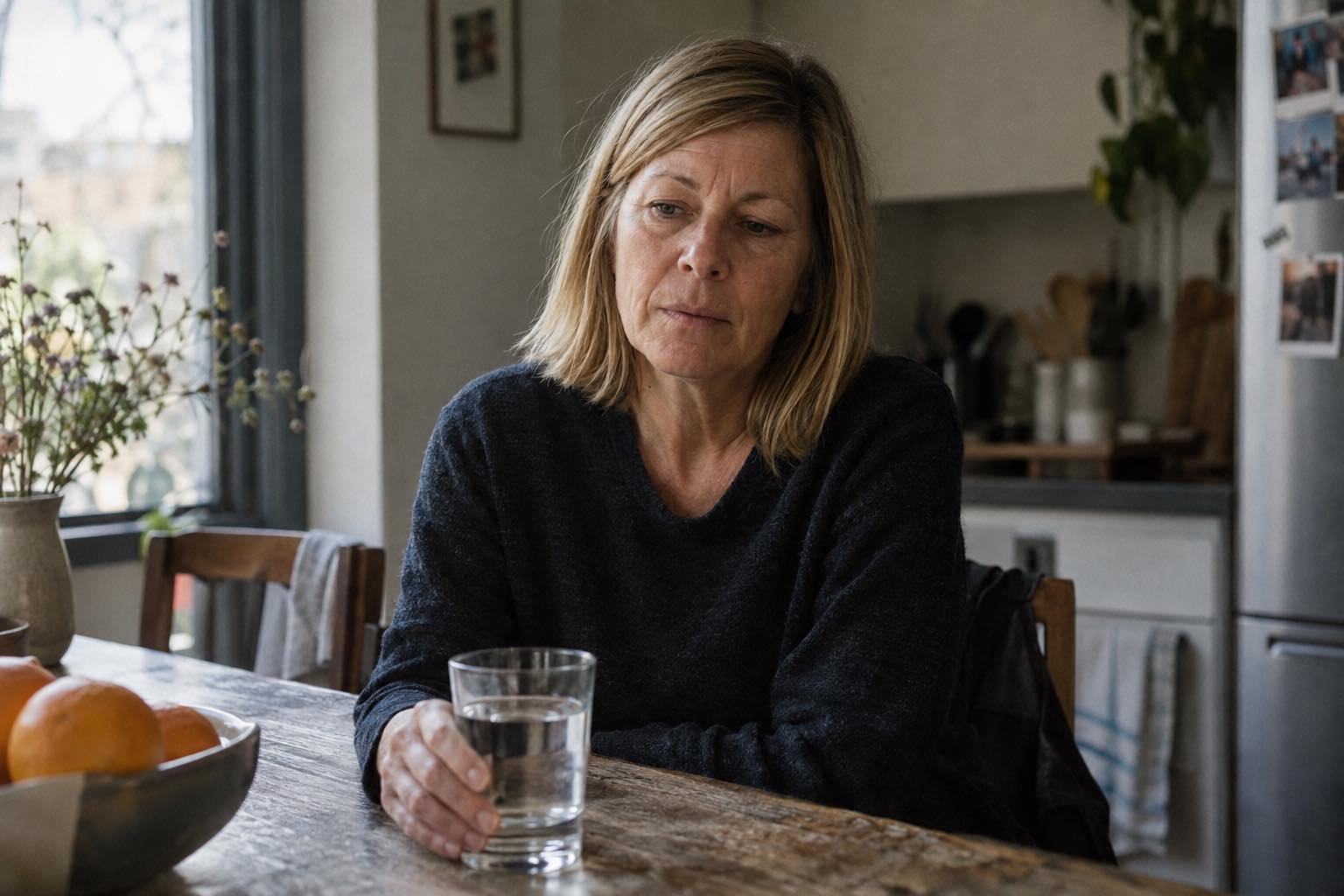
    Blonde woman sitting at a kitchen table pausing with a glass of water during a headache.

    The short answer

    Headaches or migraines can become worse around perimenopause, but headaches have many possible triggers and causes. A new pattern is worth describing carefully, and a sudden or unusually severe headache needs urgent medical attention.

    What has changed about the headache?

    “More headaches” can mean more days, stronger pain, a different location, nausea, light sensitivity or a link with your period. Those distinctions help a clinician work out what you are experiencing.

    How perimenopause may fit

    The NHS lists headaches and migraines that are worse than usual among possible menopause and perimenopause symptoms. Hormonal change may be part of the picture, but stress, dehydration, skipped meals, sleep, medicines and eyesight can also affect headaches.

    What you can notice

    • When does the pain start, and how long does it last?
    • Does it travel with your period, poor sleep, heat, stress or missed meals?
    • Is there nausea, light sensitivity, visual change, weakness or trouble speaking?
    • Are you taking painkillers often enough that rebound headaches could be a concern?

    What may help

    Regular meals, water, sleep and a pause from prolonged screen strain can help some ordinary headaches. NHS headache guidance also recommends getting advice when headaches keep returning or are getting worse. If you have migraines, a clinician can help you choose treatment rather than asking you to simply push through.

    Urgent warning signs

    Call emergency services for a sudden, extremely painful headache, or a headache with weakness, numbness, trouble speaking, confusion, loss of vision, a seizure, high fever and stiff neck, or a recent head injury. Seek urgent advice for other new symptoms that worry you.

    Related reading

    Need to make sense of the headache pattern?

    Autumn can help you notice links with sleep, cycles, heat, food or stress and turn them into clear questions for a healthcare professional. Autumn is the private, on-device AI coach inside The Change—not a clinician.

    Sources & evidence

    Sources checked: 18 September 2026.

  • Why Am I Gaining Weight Around My Middle in My 40s?

    Why Am I Gaining Weight Around My Middle in My 40s?

    Ask Autumn / Body Changes

    Why Am I Gaining Weight Around My Middle in My 40s?

    Written with Autumn — The Change’s on-device AI perimenopause coach.

    Woman with a short straight auburn pixie cut trying on an everyday jacket in front of a bedroom mirror.

    The short answer

    Weight gain or a change in where your body stores weight can happen around perimenopause, but it is not caused by one simple switch. Sleep, activity, appetite, stress, medicines, age-related changes and other health conditions can all matter.

    Why the change can feel sudden

    Clothes may fit differently around your waist even when the scale has barely moved. Or the scale may move while your routine feels familiar. That can make the change feel personal, as if you have somehow failed at habits that used to work.

    How perimenopause may fit

    The NHS says weight gain during perimenopause and menopause is common and often happens around the stomach and upper body. The Menopause Society describes weight gain and changes in weight distribution as changes some women notice around the transition.

    Look at the whole pattern

    • Has sleep become shorter, lighter or more broken?
    • Are night sweats, stress or low mood changing your appetite or energy?
    • Have your medicines, activity, meals or alcohol changed?
    • Is weight change rapid, unexplained or accompanied by other symptoms?

    A kinder place to start

    Choose a health goal that is not a punishment. Regular meals, movement that feels possible, strength work if appropriate, and better sleep support can be useful without turning your body into a project. If the change worries you, a clinician can look at the wider picture rather than assuming it is menopause.

    When to ask for help

    Arrange a clinical review for rapid or unexplained weight change, marked fatigue, swelling, changes in thirst or urination, or any symptom that feels unusual for you. Perimenopause may be one contributor, not a reason to dismiss a significant change.

    Related reading

    Trying to understand the body change without blaming yourself?

    Autumn can help you describe what changed around the weight or shape change—sleep, appetite, energy, cycles and stress—so you can decide what questions to take to a healthcare professional. Autumn is the private, on-device AI coach inside The Change—not a clinician.

    Sources & evidence

    Sources checked: 18 September 2026.