Category: Hot Flashes & Temperature

Hot flashes, night sweats and feeling unusually hot or cold.

  • Why Do I Keep Waking Up Hot at Night?

    Why Do I Keep Waking Up Hot at Night?

    Ask Autumn / Hot Flashes & Temperature

    Why Do I Keep Waking Up Hot at Night?

    Written with Autumn — The Change’s on-device AI perimenopause coach.
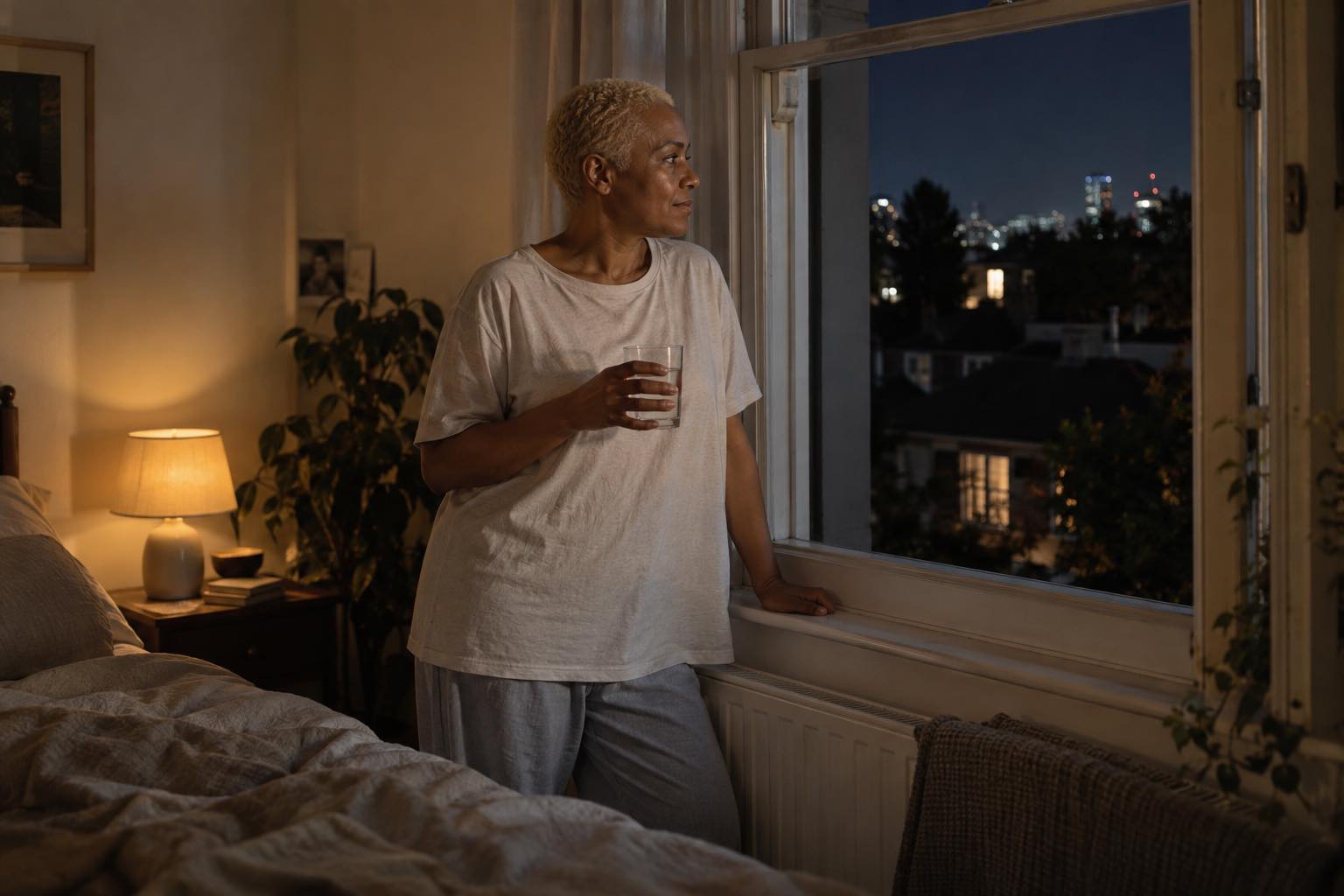
    Woman in an oversized cotton sleep shirt standing by an open window at night after waking hot.

    The short answer

    Waking hot at night can be a perimenopause-related hot flush, but it can also be your room, bedding, alcohol, anxiety, illness or another sleep disruption. The clue is what the heat feels like and what happens with it. A short wave that rises and passes is different from a warm bedroom or regular drenching sweats.

    Warm is not always the same as a hot flush

    The Menopause Society describes a hot flash as a sudden, intense sensation of heat, often in the upper body, sometimes with sweating, chills, anxiety or a faster heartbeat. Night sweats are hot flashes during sleep.

    You might instead wake because the duvet is too heavy, the room is warm, or your body is alert after a stressful dream. You can feel hot without having a classic episode. That distinction keeps you from forcing every warm waking into one explanation.

    How perimenopause may fit

    The NHS lists hot flushes, night sweats and sleep problems among possible symptoms and notes that experiences differ. If waking hot began with changed periods, daytime flushes, palpitations or new sleep disruption, perimenopause is worth discussing.

    NHS insomnia guidance describes several reasons for waking, including stress, alcohol, caffeine, pain, medicines and menopause.

    Notice the shape of the episode

    • Does the heat rise suddenly and then ease, or is the whole room too warm?
    • Are you sweating heavily, or simply throwing off the covers?
    • Do you notice flushing, chills, anxiety or a faster heartbeat?
    • Are you waking at a similar time, or only after certain evenings?
    • Are your periods, mood, energy or concentration changing as well?

    What may help

    Try lighter bedding, breathable sleepwear, a cooler room and water nearby. If alcohol, caffeine or a late meal seem connected, change one thing at a time so you can tell what made a difference.

    For a week or two, notice what comes with the waking. You do not need an elaborate sleep diary. A short voice note about the heat, sweating, time, evening and next-day energy may be enough to make the pattern visible.

    When to talk to a clinician

    Speak with a clinician if waking is regular, worsening, affecting sleep or joined by other worrying symptoms. Use the NHS night-sweats guidance if you are soaking clothes or bedding in a cool room, or if you also have a high temperature, cough, diarrhoea or unexplained weight loss.

    Questions women often ask

    Can I wake hot without having night sweats?

    Yes. You can feel warm or have a hot flush without soaking your clothes or bedding. The amount of sweating and the rest of the picture are useful details.

    Is waking hot at 3am a perimenopause sign?

    Not by itself. The clock time cannot identify the cause. What happens with the heat, and what else has changed, is more useful.

    Related reading

    Looking for the pattern behind the heat

    If waking hot is arriving with changed periods, daytime flushes, palpitations or broken sleep, Autumn can help you describe what the episode feels like and what comes with it before you speak with a healthcare professional. Autumn is the private, on-device AI coach inside The Change—not a clinician.

    Sources & evidence

    Sources checked: 18 September 2026.

  • Why Have I Suddenly Started Having Night Sweats?

    Why Have I Suddenly Started Having Night Sweats?

    Ask Autumn / Hot Flashes & Temperature

    Why Have I Suddenly Started Having Night Sweats?

    Written with Autumn — The Change’s on-device AI perimenopause coach.

    Woman sitting on the edge of a bed after waking sweaty and holding a glass of water.

    The short answer

    Night sweats can happen during perimenopause, because a night sweat may be a hot flush that occurs during sleep. But regular drenching sweats are not something to automatically label hormonal. Bedroom heat, anxiety, medicines, alcohol and other health conditions can also be involved. Intensity, frequency and the rest of the picture matter.

    What counts as a night sweat?

    There is a difference between waking warm because the duvet was too heavy and waking with night clothes or bedding soaked even though the room is cool. The NHS uses that distinction and advises a medical check when soaking sweats happen regularly, wake you or worry you.

    How perimenopause may fit

    The Menopause Society describes hot flashes and night sweats as feelings of warmth that may come with flushing, sweating, chills or anxiety. It calls night sweats the hot-flash version during sleep. The NHS also lists hot flushes, night sweats and sleep problems and emphasizes that perimenopause is different for everyone.

    Perimenopause is reasonable to discuss when sweating arrives with altered periods, daytime heat, palpitations or a changed sleep pattern. It is still a possibility, not a conclusion.

    What the pattern can tell you

    • Is the room genuinely cool, or could bedding, heating or nightwear be doing most of the work?
    • Do you wake with a wave of heat, a racing heart or anxiety?
    • Are your periods, sleep, mood or energy changing as well?
    • Did the sweating start after a medicine, a change in alcohol use or an illness?
    • Is it occasional, or regular enough to disturb sleep and daily life?

    Ways to make the night easier

    Try lighter layers, a cooler room, breathable sleepwear and water nearby. If alcohol, caffeine, stress or a warm bedroom seem connected, use that information without turning bedtime into a test you can fail.

    For a week or two, notice what travels with the waking. You do not need a perfect log—the pattern is what matters. A short voice note to Autumn can capture the sequence while it is fresh.

    When to talk to a clinician

    Arrange a medical check if night sweats are regular, wake you or worry you, or come with a high temperature, feeling hot and shivery, cough, diarrhoea or unexplained weight loss. Also mention new medicines, alcohol or drug use, anxiety, changed periods and daytime symptoms.

    Questions women often ask

    Are night sweats always perimenopause?

    No. They are common around menopause, but the NHS lists other possible causes and recommends a check for regular drenching sweats.

    What is the difference between night sweats and waking hot?

    Night sweats involve substantial sweating, often soaking clothes or bedding. You can wake hot without sweating heavily. The experiences can overlap, but they are not identical.

    Related reading

    When the night keeps getting interrupted

    If sweating is travelling with changed periods, heat, palpitations or broken sleep, Autumn can help you describe the pattern and gather questions for a healthcare professional. Autumn is the private, on-device AI coach inside The Change—not a clinician.

    Sources & evidence

    Sources checked: 18 September 2026.